Understanding The Importance Of Calendars: A Comprehensive Guide To 2025 And 2026
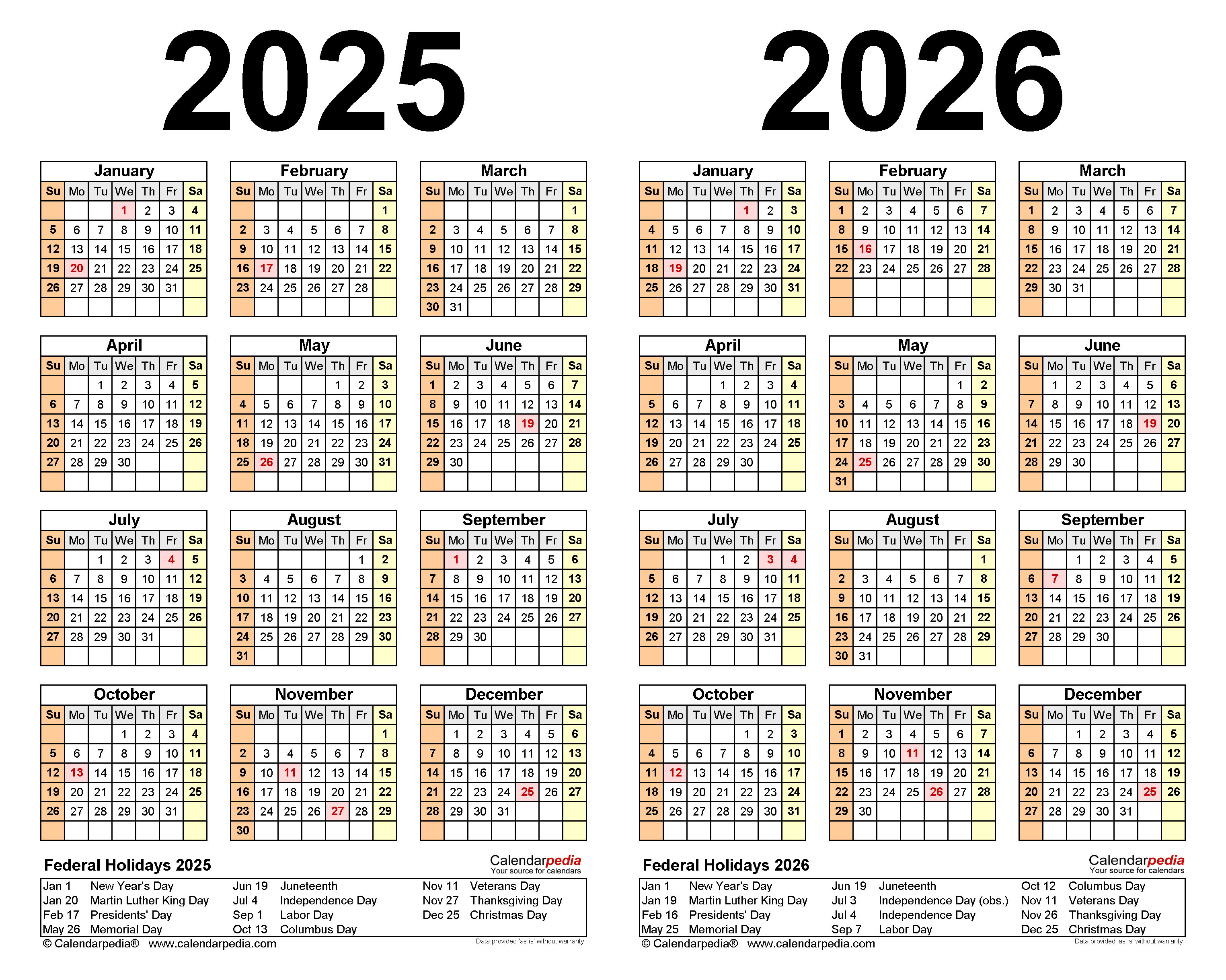
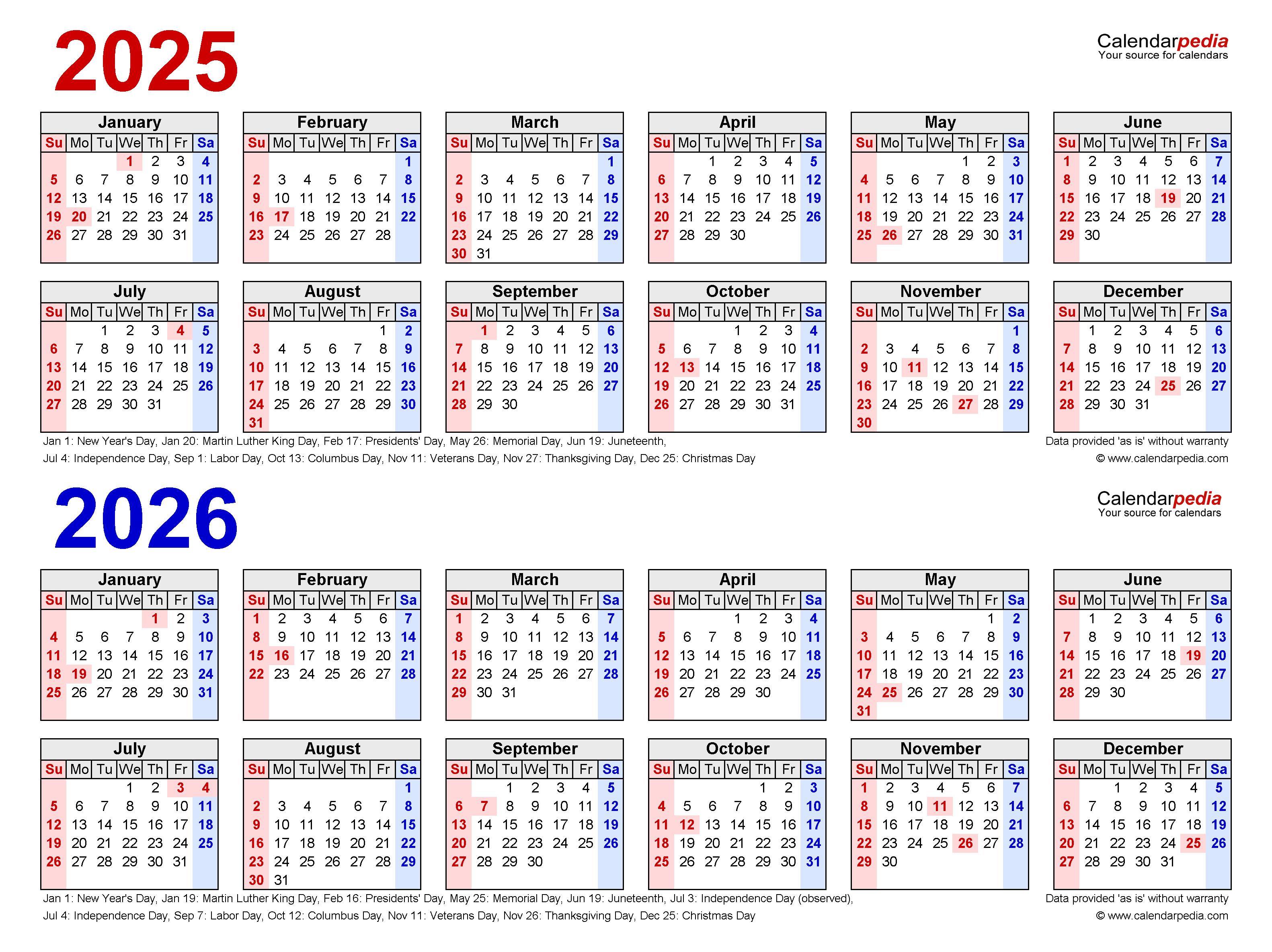
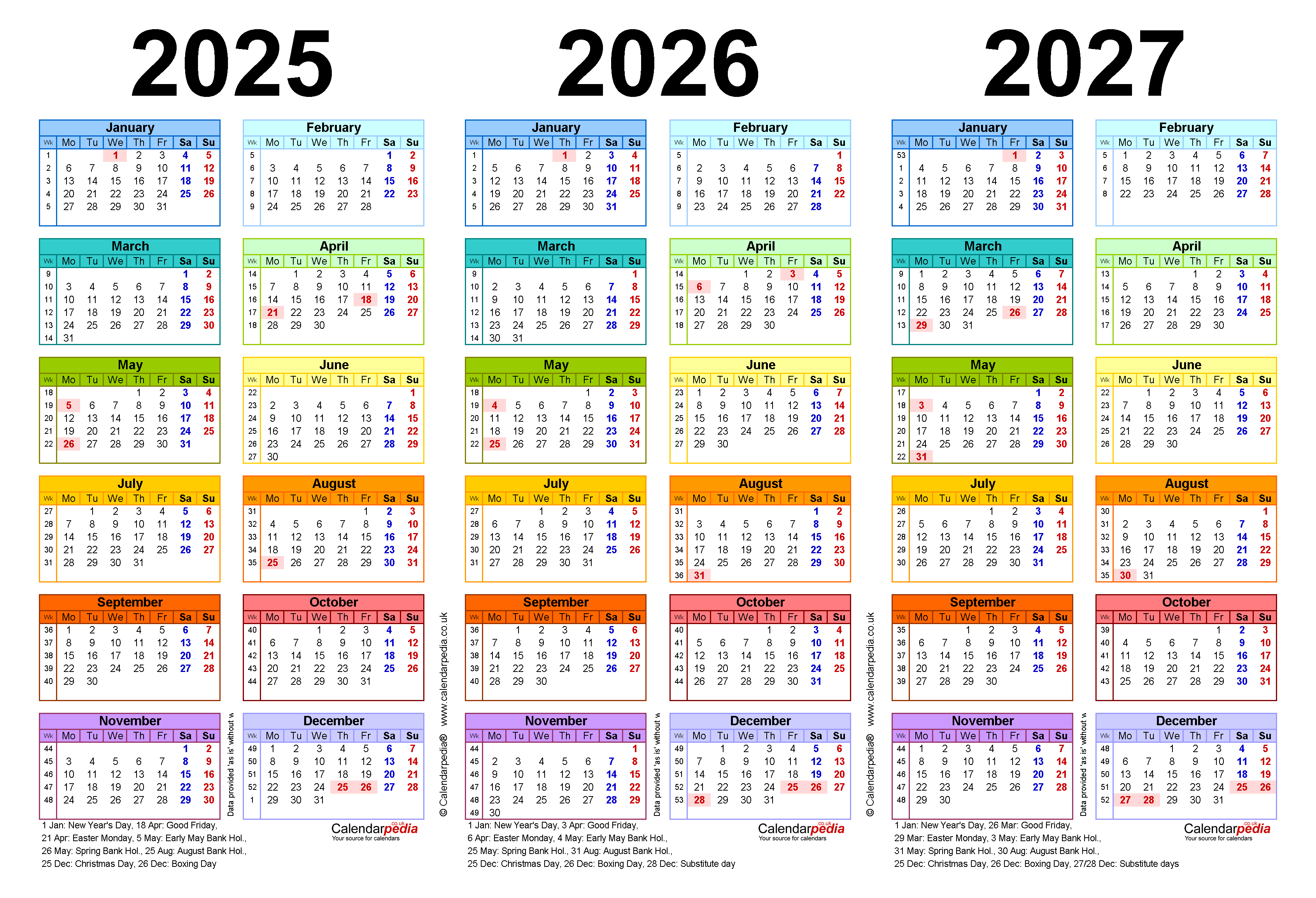
Understanding the Importance of Calendars: A Comprehensive Guide to 2025 and 2026
Relaterede Artikler: Understanding the Importance of Calendars: A Comprehensive Guide to 2025 and 2026
Introduktion
Med entusiasme, lad os navigere gennem det spændende emne relateret til Understanding the Importance of Calendars: A Comprehensive Guide to 2025 and 2026. Lad os væve interessant information og tilbyde friske perspektiver til læserne.
Table of Content
Understanding the Importance of Calendars: A Comprehensive Guide to 2025 and 2026
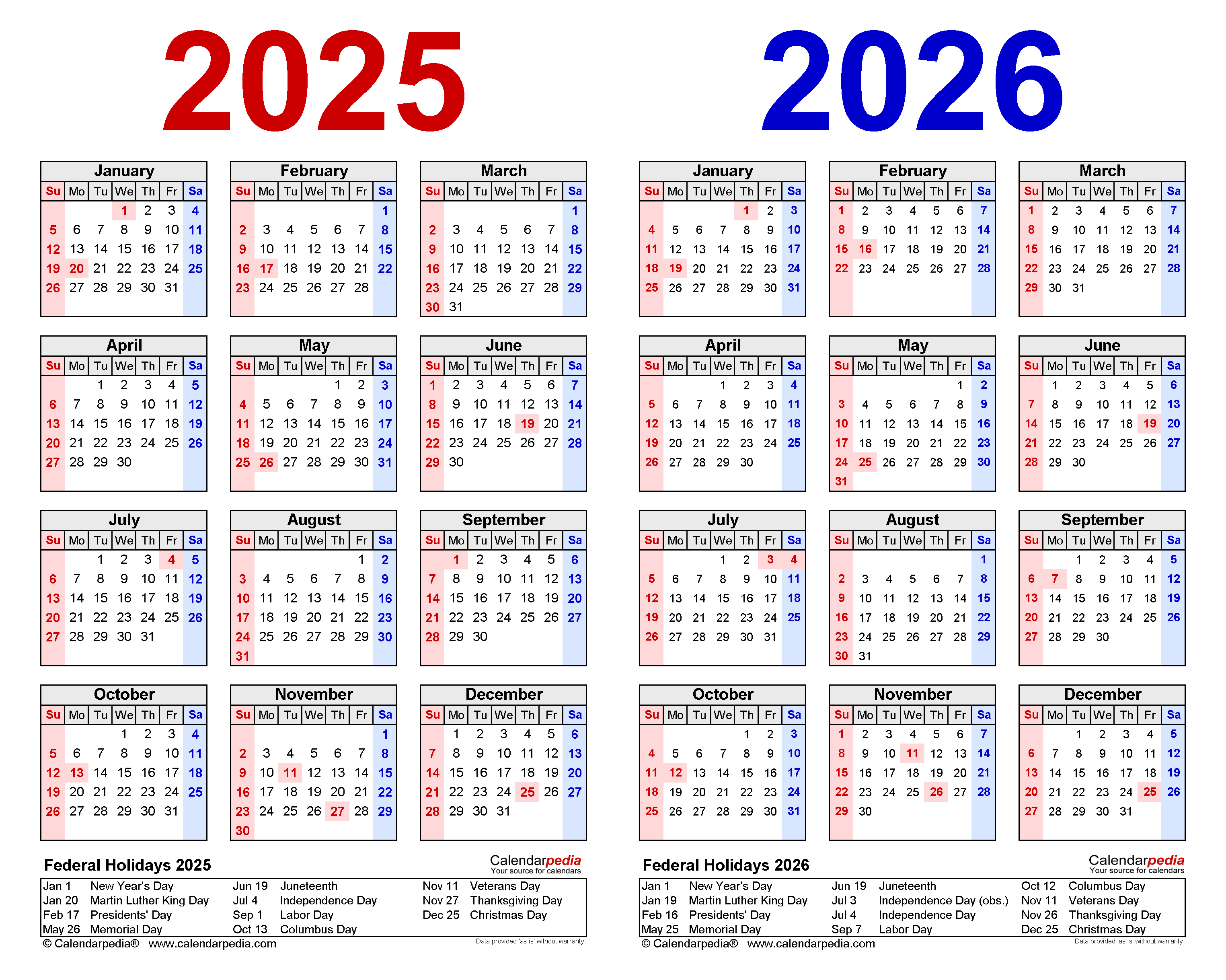
Calendars are fundamental tools for organizing our lives, facilitating communication, and ensuring smooth functioning of societies. They provide a structured framework for timekeeping, enabling us to plan events, schedule appointments, and track deadlines. This article will explore the significance of calendars, focusing on the years 2025 and 2026, while considering their relevance in various contexts.
The Essential Role of Calendars in Modern Society
Calendars are not merely decorative objects; they are essential instruments that underpin the fabric of our daily lives. They serve as:
- Timekeepers: Calendars provide a standardized system for measuring and dividing time, enabling us to track days, weeks, months, and years. This standardization is crucial for coordinating activities, scheduling meetings, and ensuring timely completion of tasks.
- Organizational Tools: Calendars act as visual representations of time, allowing individuals and organizations to plan and manage their schedules effectively. They help prioritize tasks, allocate resources, and ensure deadlines are met.
- Communication Aids: Calendars facilitate communication and collaboration by providing a shared framework for scheduling meetings, appointments, and events. This shared understanding of time ensures everyone is on the same page, minimizing misunderstandings and promoting efficiency.
- Cultural Markers: Calendars often reflect cultural traditions and beliefs. Different cultures utilize various calendar systems, reflecting their unique historical and religious practices.
Exploring the Years 2025 and 2026
While the principles of timekeeping remain constant, each year presents unique opportunities and challenges. The years 2025 and 2026 hold particular significance for various reasons:
- Technological Advancements: These years are likely to witness further advancements in technology, impacting how we interact with calendars. Digital calendars, integrated with smart devices and online platforms, will likely play an increasingly prominent role in our lives.
- Global Events: Significant events, such as international summits, cultural celebrations, or sporting tournaments, might be scheduled during these years, influencing calendar usage and awareness.
- Economic Trends: The global economic landscape may experience shifts and fluctuations, impacting business planning and scheduling. Calendars will be essential tools for navigating these uncertainties.
The Benefits of Utilizing Calendars Effectively
Employing calendars effectively can yield numerous benefits, including:
- Improved Time Management: Calendars help individuals and organizations prioritize tasks, allocate resources efficiently, and ensure deadlines are met. This leads to increased productivity and reduced stress levels.
- Enhanced Communication: Shared calendars facilitate clear communication and collaboration, minimizing misunderstandings and promoting a sense of shared purpose.
- Better Planning: Calendars enable individuals and organizations to anticipate future events, plan accordingly, and make informed decisions based on a clear understanding of time.
- Increased Awareness: Calendars provide a visual representation of time, promoting awareness of deadlines, upcoming events, and the passage of time itself.
Frequently Asked Questions (FAQs)
Q: What are the key differences between digital and physical calendars?
A: Digital calendars offer flexibility, accessibility, and integration with other devices and platforms. However, physical calendars provide a tangible reminder of upcoming events and can be more conducive to visual learning and planning.
Q: How can I choose the best calendar system for my needs?
A: Consider your personal preferences, the complexity of your schedule, and the level of integration you require. Online calendars offer flexibility and collaboration features, while physical calendars provide a visual overview and tactile experience.
Q: Are there any tips for effectively using calendars?
A:
- Be Consistent: Update your calendar regularly and make it a habit to refer to it frequently.
- Prioritize Tasks: Assign importance levels to tasks and schedule them accordingly.
- Set Reminders: Utilize calendar reminders to avoid missing important appointments or deadlines.
- Be Realistic: Avoid over-scheduling and allow for unexpected events or delays.
Conclusion
Calendars remain indispensable tools in our modern world, facilitating time management, communication, and planning. The years 2025 and 2026 will likely witness continued evolution in calendar technology and increased reliance on digital platforms. By understanding the importance of calendars and utilizing them effectively, individuals and organizations can maximize their efficiency, improve communication, and navigate the complexities of time.


Lukning
Derfor håber vi, at denne artikel har givet værdifuld indsigt i Understanding the Importance of Calendars: A Comprehensive Guide to 2025 and 2026. Vi takker, fordi du tog dig tid til at læse denne artikel. Vi ses i vores næste artikel!